
Understanding Sudan Sanctions: A Comprehensive Guidance
The implementation of sanctions against Sudan has been a complex and evolving process. These sanctions have been established as part of broader international efforts to address human rights violations, promote peace, and support transitional governmental structures in the region. This article aims to provide guidance on Sudan sanctions, detailing the current legislation, compliance requirements, and the implications for businesses and individuals interacting with Sudanese entities.

Historical Context of Sudan Sanctions
Sanctions against Sudan have a long history, primarily driven by the country’s involvement in civil conflict, human rights abuses, and the Darfur crisis. The United States first imposed economic sanctions on Sudan in the early 1990s, targeting its regime for supporting terrorism and engaging in gross violations of human rights. These sanctions were also backed by the United Nations and other international bodies, aiming to pressure the government into compliance with global human rights norms.
Current Sanction Framework
The current sanctions framework against Sudan includes a combination of U.S., European Union (EU), and United Nations (UN) sanctions. Each of these entities has set up its regulatory framework, defining the scope and nature of the sanctions imposed. Understanding these distinctions is crucial for entities looking to engage with Sudan.
U.S. Sanctions
U.S. sanctions against Sudan have undergone significant changes recently, particularly after the peaceful transfer of power following the ousting of former president Omar al-Bashir in 2019. In December 2020, the U.S. recognized Sudan’s transition toward democracy and removed it from the State Sponsors of Terrorism list. However, certain sanctions remain in place, particularly concerning individuals and entities associated with previous regimes and ongoing human rights abuses.
European Union Sanctions
The EU sanctions against Sudan are generally aligned with the broader international legal framework but often incorporate specific provisions concerning arms embargoes and restrictions targeting individuals responsible for human rights violations. Businesses and organizations should be aware of their obligations under EU law when dealing with Sudanese entities.
UN Sanctions
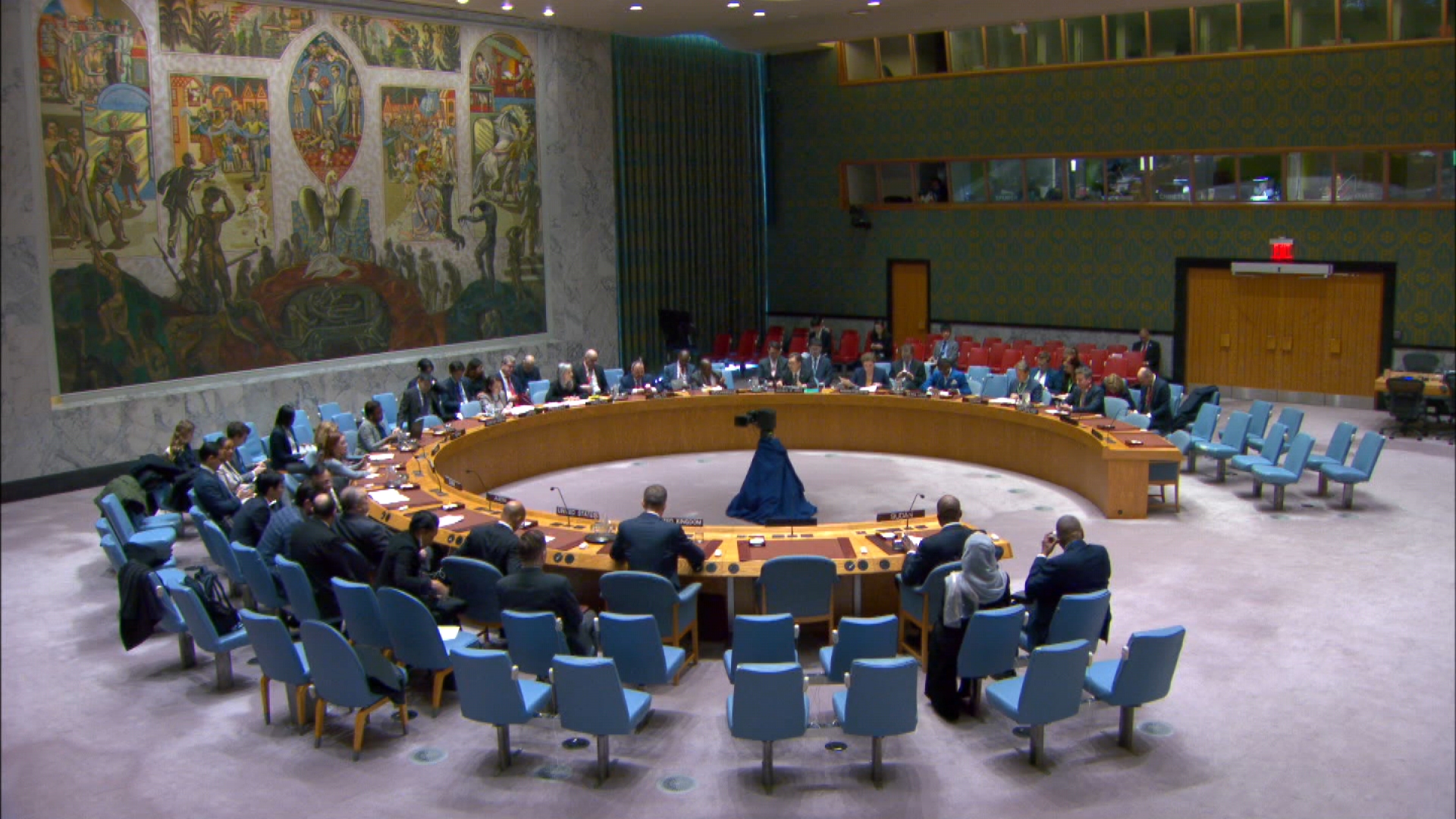
The United Nations has applied sanctions related to the humanitarian crisis in Darfur and continues to monitor the situation in Sudan. This includes arms embargoes and measures aimed at preventing the sale of equipment that could be used for repression against civilians. Compliance with UN sanctions is essential for international organizations and companies operating in the region.
Legal Risks and Compliance
Engaging with entities in Sudan involves navigating a minefield of legal risks. Non-compliance with sanctions can result in severe penalties, including significant fines and restrictions on future business operations. Therefore, it is essential for businesses to implement thorough compliance programs that address these risks.
Risk Assessment
A comprehensive risk assessment is the first step in ensuring compliance with Sudan sanctions. This includes understanding the nature of the business activities and identifying any potential exposure to sanctioned entities. Organizations should regularly review updates to the sanctions list and consult legal experts familiar with international trade laws.
Due Diligence
Performing due diligence on potential partners or clients in Sudan is critical. This may include background checks, reviewing affiliations, and understanding the ownership structure of the parties involved. Organizations should ensure that no transactions occur with individuals or entities listed on sanctions lists.
Implications for Businesses
For businesses looking to operate in or with Sudan, the implications of these sanctions are significant. Understanding the nuances of the sanctions, investing in compliance, and staying informed about changes in the legal landscape are paramount for successful operations.
Market Opportunities
Despite the challenges posed by sanctions, Sudan presents potential market opportunities, particularly in sectors like agriculture, energy, and infrastructure. Companies should approach these prospects with caution, ensuring full compliance with all applicable sanctions.
Long-term Strategy
Companies that intend to establish a long-term presence in Sudan must adopt a proactive approach to compliance. This includes developing relationships with local stakeholders who understand the regulatory environment and building a robust compliance framework that can adapt to changing political and legal landscapes.
Conclusion
Sanctions against Sudan are multifaceted and subject to ongoing changes driven by political developments both within the country and internationally. Understanding the current framework and developing comprehensive compliance strategies is essential for anyone looking to engage with Sudan. By remaining informed and proactive, businesses and individuals can navigate the complexities of Sudan sanctions while contributing to the country’s development.